
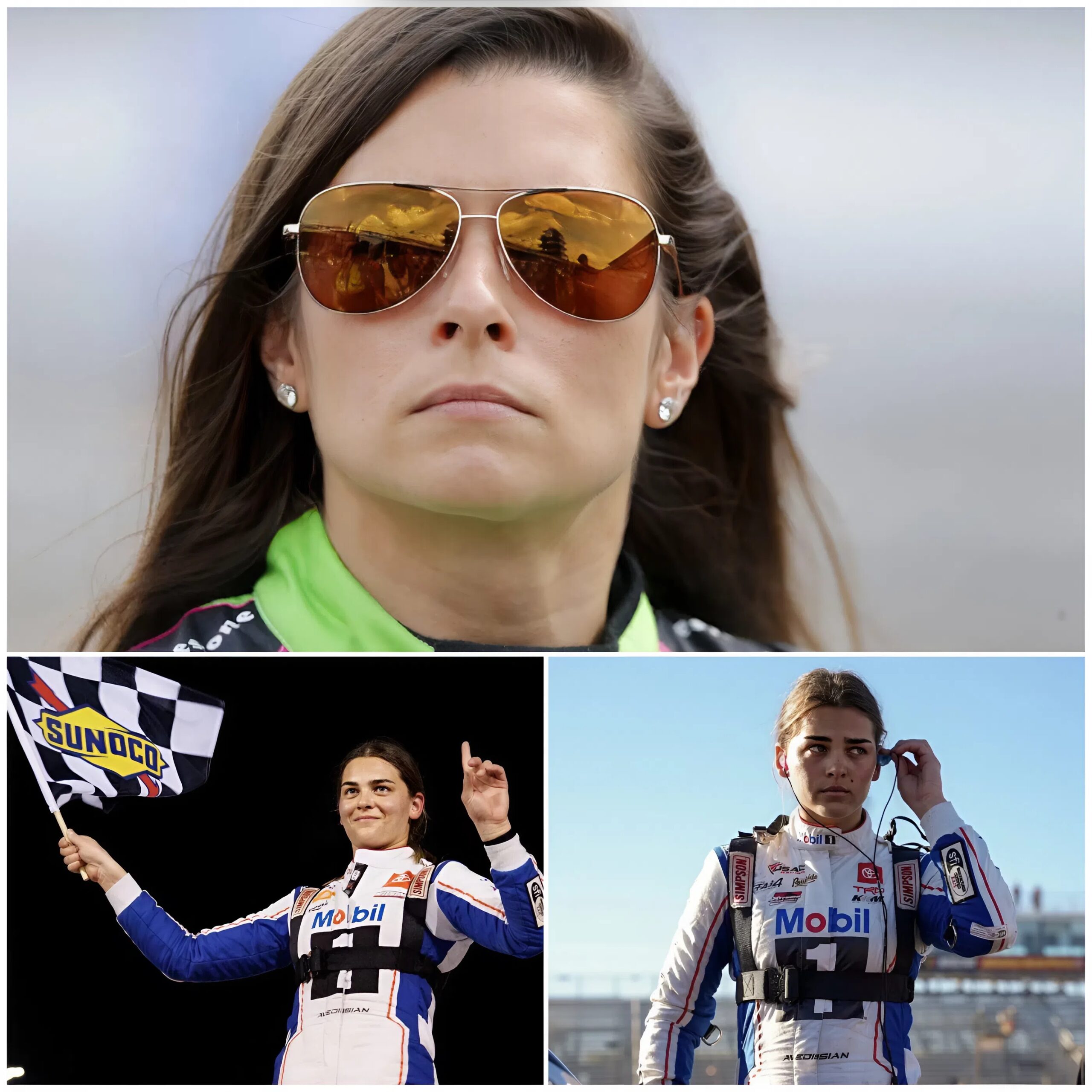
19-Year-Old Female Sensation Dubbed “Way Better Than Danica Patrick” as Historic Win Propels Her Into the Spotlight
Motorsports has always thrived on bold comparisons, but few have sparked as much conversation as the one now following a 19-year-old female driver whose recent historic victory has sent shockwaves through the racing world. Almost overnight, she has been labeled by fans and commentators as “way better than Danica Patrick,” a phrase that has raced across social media timelines and ignited passionate debate. Whether fair or premature, the comparison underscores just how significant her breakthrough moment has become and how hungry the sport is for a new, defining star.
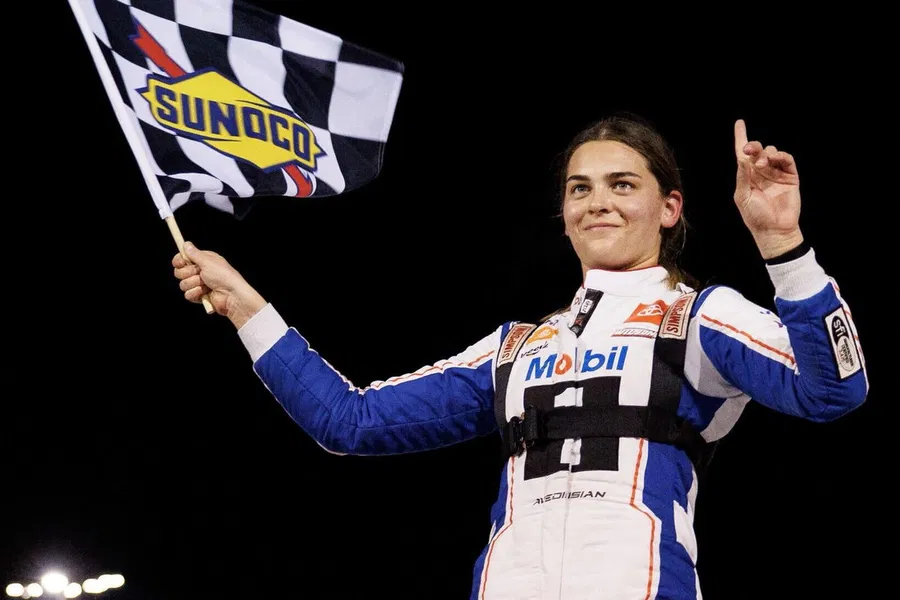
Her win was not just another result on a crowded racing calendar. It marked a milestone that many believed was still years away, especially for a driver so young and relatively new to the broader spotlight. Competing against seasoned rivals with far more experience, she displayed a level of composure that belied her age. From the opening laps to the closing moments, her performance carried the unmistakable sense that something special was unfolding, and by the time she crossed the finish line, history had already been written.
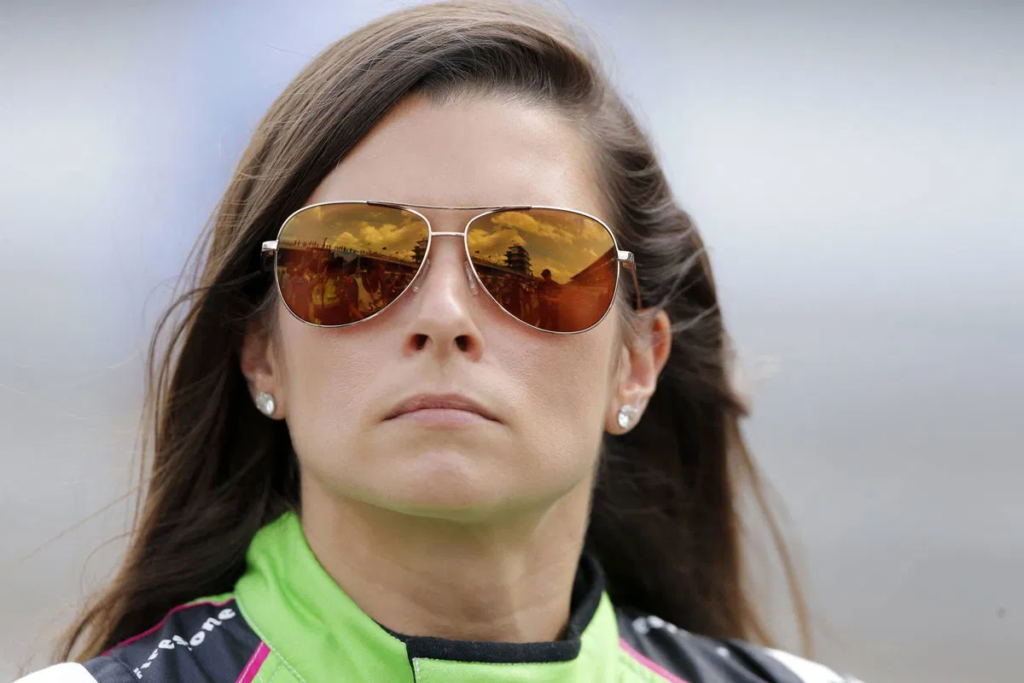
The immediate reaction was explosive. Clips of the race spread rapidly online, accompanied by praise that went beyond the usual post-race applause. Fans pointed to her aggressive yet controlled driving style, her ability to read the race, and her calm, confident demeanor under pressure. Within hours, the inevitable comparisons began. Danica Patrick, long regarded as the most recognizable female figure in American motorsports, became the benchmark. For some, the new star’s victory represented the next evolution, proof that a new generation might push beyond the ceilings that once defined the sport.
The “better than Danica Patrick” label, however, says as much about the history of women in racing as it does about this young driver. Patrick’s career, highlighted by groundbreaking success and mainstream visibility, opened doors that had long been closed. Yet she also became a lightning rod for criticism, with her achievements often measured against inflated expectations. The emergence of a 19-year-old capable of delivering a historic win has reopened that conversation, shifting the focus from novelty to pure performance.
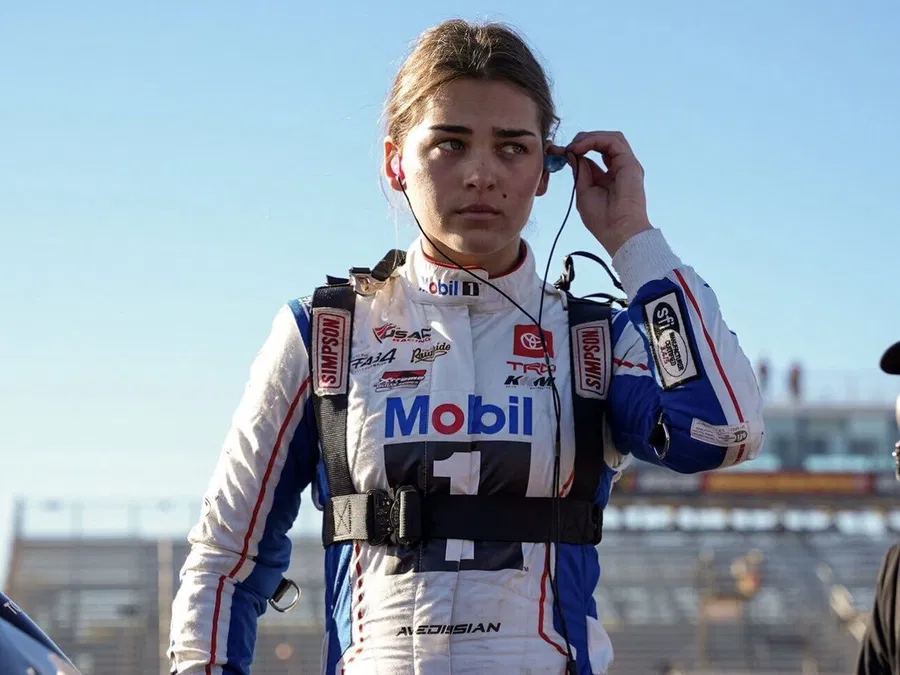
What sets this young driver apart is not only the result but the context surrounding it. She has risen through the ranks with remarkable speed, adapting quickly to higher levels of competition and demonstrating a learning curve that appears unusually steep. Team members have spoken of her work ethic, noting long hours spent studying data and video, and a willingness to absorb feedback that rivals that of veteran drivers. Those close to her suggest the win was not a surprise, but rather the culmination of steady progress finally visible to the wider public.
Her newfound fame has also highlighted how much the motorsports audience has changed. Social media has turned a single race into a defining moment, amplifying narratives at a pace unimaginable just a decade ago. One viral clip, one quote, or one bold comparison can instantly elevate a driver from promising prospect to headline attraction. In her case, the surge of attention has been intense, with praise pouring in from across the racing spectrum and curiosity growing among casual fans who may never have followed her career before.
Still, not everyone is comfortable with the comparisons. Some argue that placing a 19-year-old against a figure like Danica Patrick risks oversimplifying both careers. Patrick’s influence extended beyond race results, reshaping sponsorship opportunities and media coverage for women in motorsports. Measuring success purely by early wins ignores the long arc of a racing career, one defined by consistency, adaptability, and longevity. Even so, the very fact that such a debate exists speaks volumes about the impact of the young driver’s achievement.
For the driver herself, the attention brings both opportunity and pressure. A historic win can open doors to better equipment, stronger sponsorships, and more competitive seats. At the same time, heightened expectations can be unforgiving, especially in a sport where margins are razor-thin and results fluctuate. How she handles this moment, both on and off the track, may prove just as important as the victory that sparked it.
What cannot be denied is that her success has injected fresh energy into motorsports. Young fans see someone close to their age breaking barriers, while longtime followers witness a reminder that the sport is constantly evolving. The narrative is no longer about whether women can compete at the highest levels, but about who will lead the next era and how far they can go.
As the season moves forward, all eyes will remain on the 19-year-old sensation who turned one race into a defining statement. Labels like “way better than Danica Patrick” may fade or evolve, but the historic win that ignited them is now part of the record. Whether this moment marks the beginning of a legendary career or simply a powerful chapter in a longer journey, it has already accomplished something rare: it has made motorsports stop, look, and talk.