
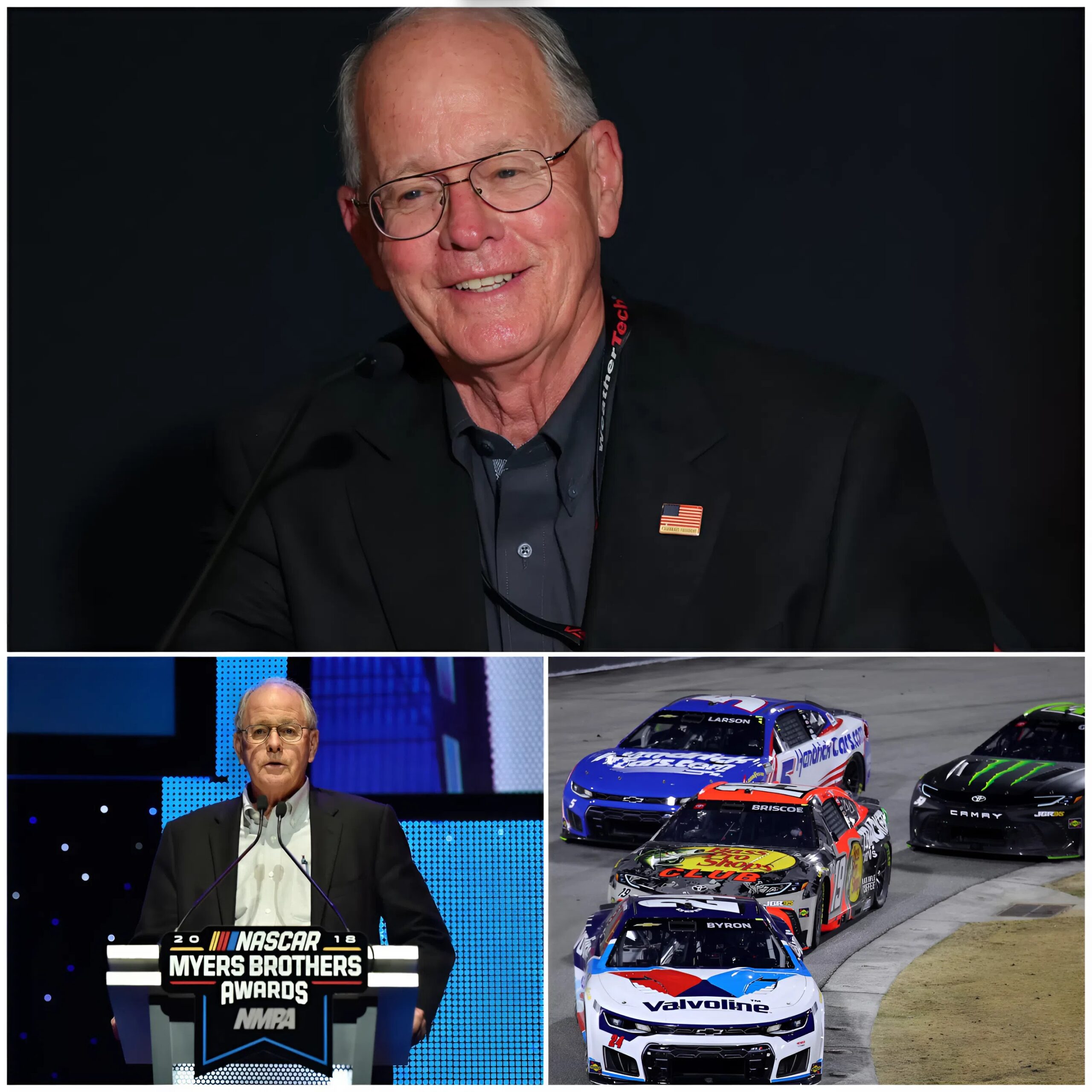
Rare Win for Jim France as NASCAR Quietly Fixes Gimmicky Rules and Fans Finally Approve
For a fan base known more for criticism than compliments, NASCAR supporters offering genuine praise is a rare sight. Yet that is exactly what unfolded this week as Jim France and NASCAR leadership found themselves on the receiving end of something almost unheard of: widespread fan approval. Without a flashy press conference or dramatic announcement, NASCAR has begun dialing back several long-criticized gimmicky elements, and the reaction has been swift, loud, and overwhelmingly positive.
For years, fans have accused NASCAR of overengineering the sport in an attempt to manufacture excitement. Stages, playoff resets, overtime tweaks, and rulebook experiments were often defended by executives as necessary for entertainment value, even as traditionalists argued that the changes diluted authenticity. The tension between innovation and tradition has defined the modern era of the sport, with Jim France frequently portrayed as the symbol of NASCAR’s stubborn resistance to fan feedback.
That narrative shifted almost overnight.
Instead of trumpeting reforms with marketing buzzwords, NASCAR made subtle but meaningful adjustments that spoke directly to long-standing complaints. The changes didn’t attempt to reinvent stock car racing. They simply let it breathe. And that restraint, perhaps more than the rules themselves, is what resonated with fans.
Social media, typically a battlefield for NASCAR discourse, quickly filled with reactions that felt almost surreal. Posts praising the sanctioning body were shared thousands of times. Longtime fans admitted they were shocked. Some even joked that they had checked the calendar to make sure it wasn’t April Fool’s Day. In a digital landscape where NASCAR leadership is often the punching bag, the tone was unmistakably different.
Much of the credit, surprisingly, landed at Jim France’s feet.
France has spent years in the crosshairs of criticism, often blamed for everything from declining TV ratings to controversial race formats. Fair or not, his name became shorthand for decisions fans didn’t like. That made this moment stand out even more. Instead of deflecting or doubling down, NASCAR leadership appeared to listen, recalibrate, and act quietly.
Industry insiders suggest that this was no accident. Over the past year, NASCAR has reportedly leaned more heavily on internal competition data, team feedback, and long-term fan sentiment rather than social-media-driven outrage cycles. The goal wasn’t to chase viral moments but to restore competitive integrity while preserving entertainment organically.
Fans noticed.
What stood out most was how the rule changes enhanced the natural flow of races. Strategy felt less scripted. Outcomes felt earned rather than engineered. Drivers had more room to race, teams had more incentive to think creatively, and the product on track looked, in the words of one fan, “like real racing again.”
That sentiment echoed across platforms. Veteran fans praised NASCAR for resisting the urge to “fix what isn’t broken.” Younger viewers, often assumed to need nonstop chaos to stay engaged, also responded positively, suggesting that authenticity still matters across generations.
The timing couldn’t be better for NASCAR.
With other motorsports series gaining traction and competition for attention intensifying, the sport has been searching for a way to reconnect with its core audience without alienating new fans. This moment, while small on paper, could represent a meaningful philosophical shift. NASCAR didn’t abandon innovation. It simply acknowledged that innovation doesn’t always mean adding more rules.
Perhaps the most telling sign of success is what didn’t happen. There was no major backlash. No wave of confusion. No emergency clarifications from officials. The changes felt intuitive, almost obvious, which only amplified the question fans have been asking for years: why did it take so long?
That question still lingers, but for once it’s not being asked in anger.
Instead, the prevailing mood is cautious optimism. Fans aren’t declaring victory or crowning NASCAR as “fixed.” They’ve been down that road before. But there is a sense that the sanctioning body may finally be aligning its decisions with the sport’s core identity rather than fighting it.
Drivers, too, have subtly reflected that optimism. While few have spoken openly, several have hinted that the racing feels more honest, more challenging, and more rewarding. When drivers and fans find themselves on the same page, it’s usually a sign that something is working.
Jim France’s role in this moment cannot be overstated. Leadership is often most visible when things go wrong, and least acknowledged when they go right. This time, however, fans are giving credit where they believe it’s due. Whether France personally spearheaded the changes or empowered others to do so, the result is what matters to the audience watching every lap.
In a sport built on loyalty, trust is everything. NASCAR may not have fully regained it, but this move helped repair a relationship that many believed was beyond saving. Sometimes progress isn’t loud. Sometimes it’s a quiet correction that reminds people why they fell in love with racing in the first place.
For now, NASCAR fans are doing something rare: applauding instead of protesting. And for Jim France, that may be the most valuable win of all.