America Hands Richard Childress the Ultimate Respect With Prestigious Award Before Retirement
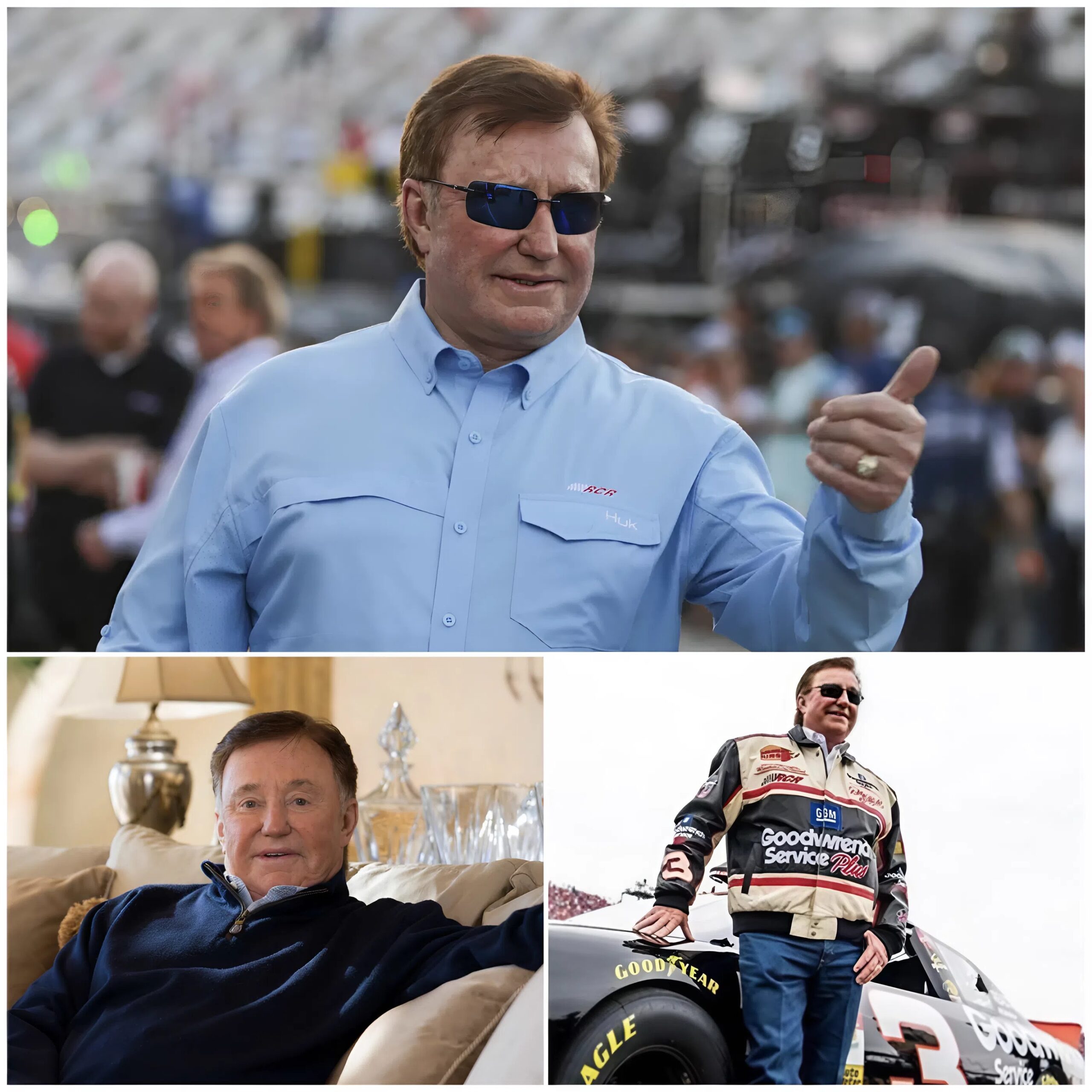
In a sport built on grit, loyalty, and long memories, America has delivered a powerful message to one of NASCAR’s most enduring figures. Richard Childress, the hard-nosed team owner who helped define stock car racing for more than half a century, has received one of the nation’s most prestigious honors — a symbolic salute that arrives just before he steps further back from day-to-day competition. For many in the racing world, the timing could not feel more appropriate.
Childress is not simply a team owner. He is a living bridge between NASCAR’s raw, rough-edged past and its modern, polished present. From his earliest days as a driver scraping to survive, to building Richard Childress Racing into one of the most recognizable organizations in motorsports, his story is inseparable from the story of NASCAR itself. The award, presented as a national recognition of lifetime achievement and cultural impact, reflects more than race wins or championships. It acknowledges a legacy that shaped American motorsports and the people within it.
At the heart of that legacy stands Dale Earnhardt. Childress’s partnership with the Intimidator remains one of the most iconic owner-driver relationships in sports history. Together, they forged an era defined by intimidation, dominance, and raw determination, collecting six Cup Series championships and forever altering how teams approached competition. Long after Earnhardt’s passing, Childress carried that responsibility with a sense of guardianship, preserving not just trophies, but values — toughness, loyalty, and respect for the garage.
This latest honor recognizes how deeply those values resonated beyond the racetrack. In announcing the award, officials emphasized Childress’s contributions not only to NASCAR, but to American sporting culture. His rise from modest beginnings in North Carolina to national prominence mirrored the working-class spirit that made stock car racing a uniquely American phenomenon. In an age when sports increasingly feel corporate and distant, Childress represented something real — a man who built success with calloused hands and unshakeable resolve.

For fans, the recognition feels overdue but deeply satisfying. Childress has long resisted the spotlight, preferring to let his cars and drivers do the talking. Even as the sport evolved, he remained a constant presence in the garage, respected by rivals and revered by those who worked under his banner. Mechanics, engineers, and drivers often speak of him less as a boss and more as a protector, someone who demanded excellence but never forgot the human cost of competition.
The timing of the award, arriving as Childress begins to ease toward retirement, carries emotional weight. Though he has not fully stepped away, his role has gradually shifted toward mentorship and long-term vision rather than daily command. In many ways, the honor serves as a national thank-you — an acknowledgment that his influence has already been cemented, regardless of what the next chapter holds.
What makes the moment especially powerful is how it reframes Childress’s career in a broader American context. NASCAR has often fought for mainstream recognition beyond its traditional fan base. By honoring Childress with a prestigious national award, America effectively placed stock car racing and its architects alongside the country’s most respected sporting and cultural institutions. It was a reminder that NASCAR’s impact reaches far beyond Sundays at the track.
Within the racing community, reactions poured in almost instantly. Former drivers praised Childress for standing firm during NASCAR’s most turbulent eras. Team owners credited him with setting standards that still guide the sport today. Fans flooded social media with tributes, many recalling how Childress cars were fixtures of their childhood, symbols of strength and defiance roaring past on television screens.
Yet perhaps the most telling response came from Childress himself. True to form, he accepted the recognition with humility, redirecting praise toward his teams, his drivers, and the people who stood beside him through decades of triumph and heartbreak. Those close to him say the award meant more than any trophy because it represented respect — the one currency Childress always valued above fame.
As NASCAR looks toward a future driven by new technology, younger stars, and changing audiences, moments like this serve as emotional anchors. They remind fans where the sport came from and who carried it through its most defining years. Richard Childress did not simply win races; he built a standard of toughness and loyalty that became synonymous with NASCAR’s identity.
Before retirement fully arrives, America has chosen to pause and honor the man who never asked for applause but earned it anyway. In doing so, the nation affirmed that Richard Childress’s legacy is not just preserved in record books or museum halls, but in the very soul of American motorsports.