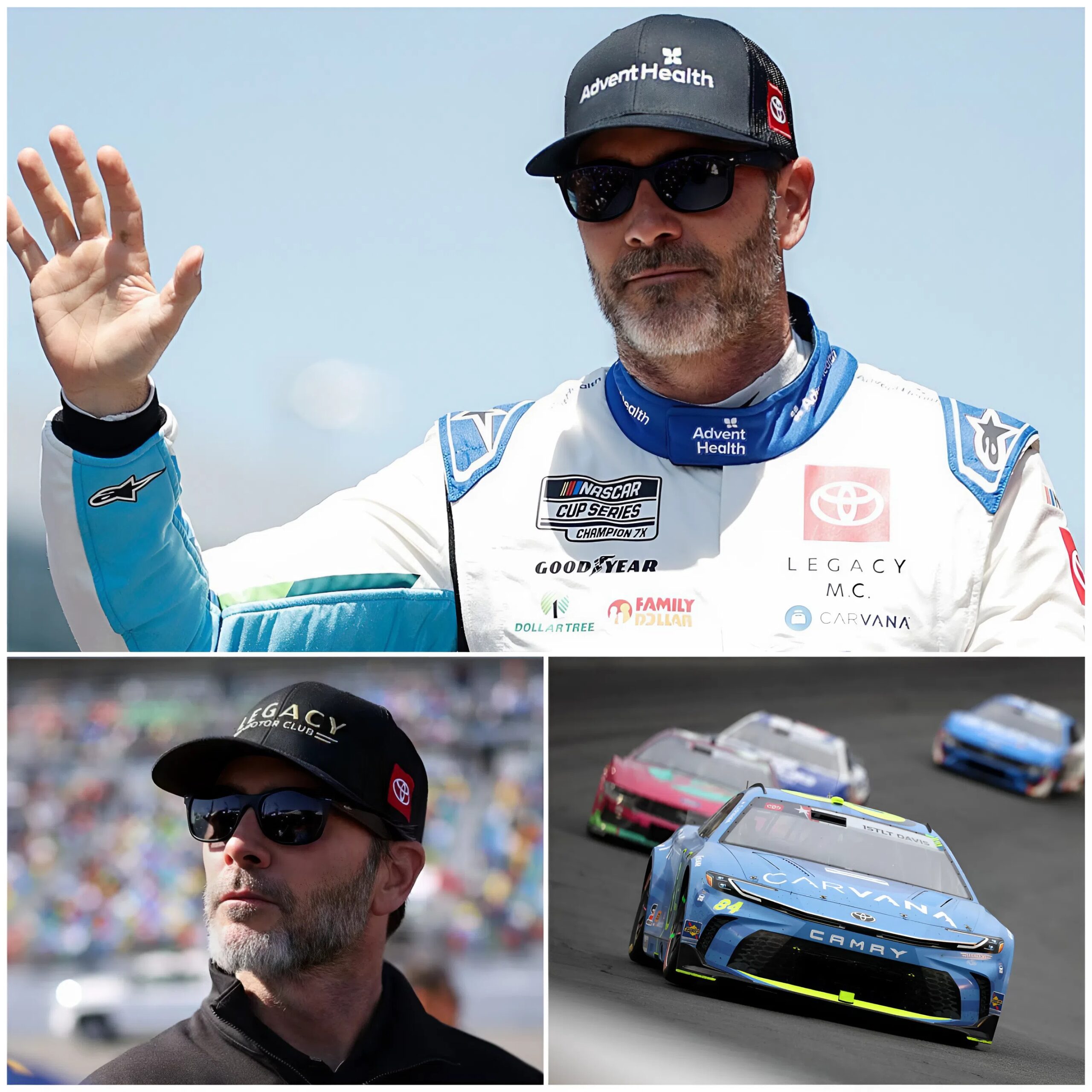
Jimmie Johnson’s Cup Series Driver Raises Major Red Flags as NASCAR Prepares for a Frigid Bowman Gray Night
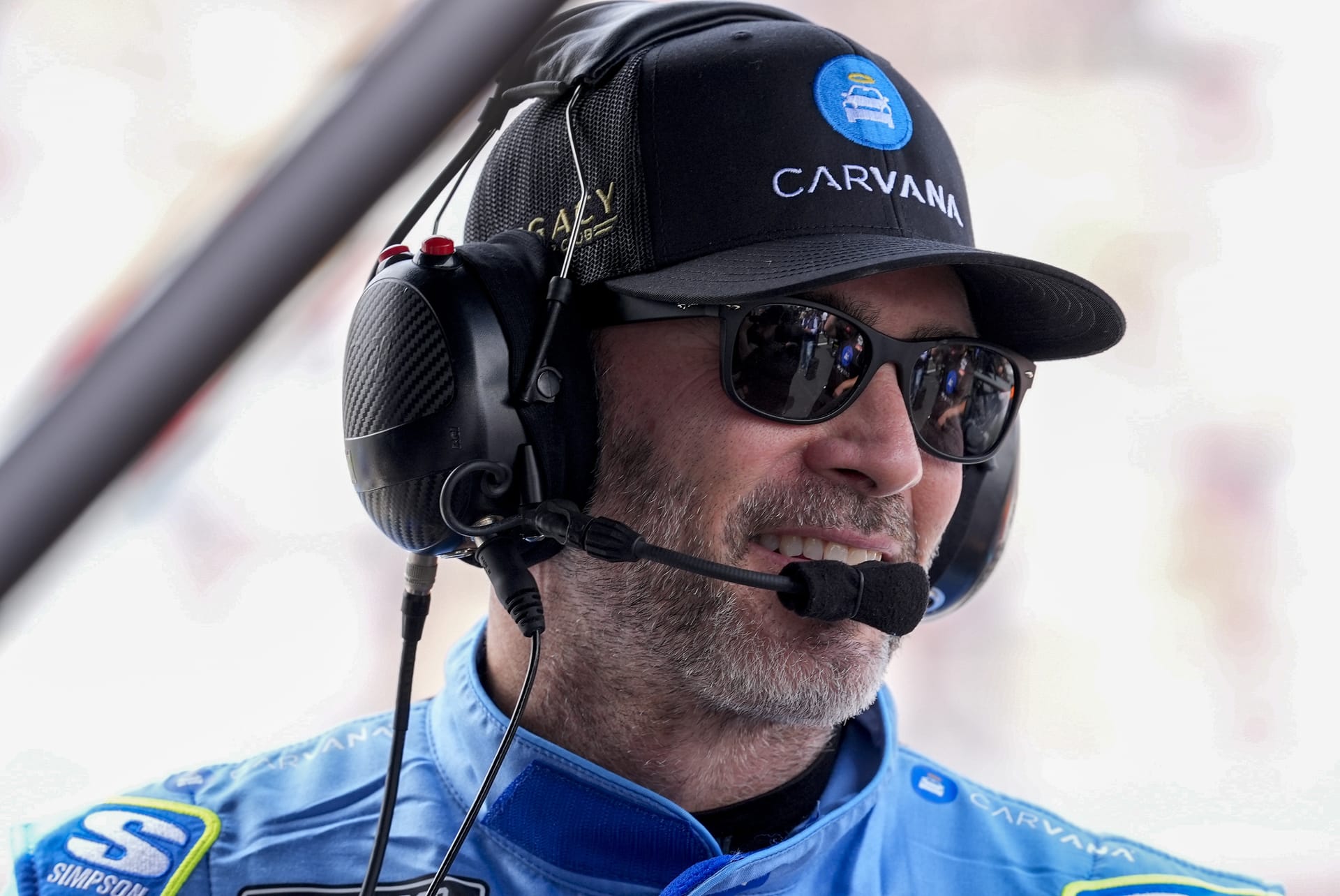
As NASCAR braces for one of the coldest race nights in recent memory at Bowman Gray Stadium, concern is growing inside the Cup Series garage—and it’s coming from a driver closely tied to one of the sport’s most respected names. A Cup Series driver from Jimmie Johnson’s camp has publicly raised serious red flags ahead of the highly anticipated event, warning that the brutal weather conditions could turn an already challenging short-track race into a potential safety and competitive nightmare.
Bowman Gray Stadium, often referred to as “The Madhouse,” is known for its tight quarters, relentless bumping, and emotional intensity. Add freezing temperatures into the mix, and the recipe becomes far more volatile. According to the driver, the combination of cold asphalt, stiff tires, and reduced grip could fundamentally change how the race unfolds—possibly in ways NASCAR may not be fully prepared for.
In cold conditions, the track surface struggles to retain heat, making it extremely difficult for teams to get tires into their optimal operating window. That lack of grip doesn’t just affect lap times; it alters braking points, corner entry speeds, and car control throughout the field. At a place like Bowman Gray, where races are often decided by inches and tempers flare easily, even a slight miscalculation can trigger multi-car incidents.
The driver emphasized that while NASCAR has raced in cool weather before, this situation feels different. Forecasts suggest temperatures hovering near freezing as the green flag drops, a scenario that could lead to unpredictable handling from the opening laps. Unlike larger intermediate tracks, Bowman Gray offers almost no margin for error. One mistake can quickly stack up half the field, especially when drivers are fighting for track position on a narrow racing surface.
Another major concern involves tire behavior. Cold temperatures prevent tires from building heat quickly, increasing the risk of sudden snap oversteer or unexpected sliding—issues that are particularly dangerous on restarts. With aggressive restarts being a hallmark of short-track racing, the driver warned that the early laps after cautions could be the most dangerous moments of the night.
There are also questions about visibility and driver comfort. Frigid air inside the cockpit can affect focus and reaction time, especially during long green-flag runs. While modern Cup cars are built with safety in mind, extreme cold introduces variables that can’t be fully simulated in practice or testing. For drivers making their first competitive laps under those conditions, the learning curve could be steep—and unforgiving.
From a competitive standpoint, the cold could dramatically reshuffle the running order. Teams that excel at mechanical grip and quick adjustments may gain an edge, while others could struggle to adapt. The driver suggested that experience and patience might matter more than raw aggression, a notable shift from the usual Bowman Gray mindset where elbows-out racing often defines success.
Jimmie Johnson’s involvement adds extra weight to the comments. A seven-time Cup Series champion, Johnson is synonymous with professionalism, preparation, and safety-first thinking. When someone from his camp raises concerns, the garage listens. Though Johnson himself has always embraced tough conditions, his legacy is built on calculated risk—not unnecessary danger.
NASCAR officials are reportedly monitoring the situation closely, but as of now, there are no indications of major format changes or delays. Still, the driver’s warning has sparked debate among fans and analysts alike. Some argue that harsh conditions are part of racing’s DNA and that adaptability separates great drivers from good ones. Others believe that there’s a line between challenging and reckless, especially when safety could be compromised.
Social media reaction has been swift and divided. Some fans applaud the driver for speaking up, viewing it as a responsible move in a sport that has sometimes learned lessons the hard way. Others accuse him of gamesmanship, suggesting that teams struggling in the cold may be trying to gain a psychological edge or prompt NASCAR into making adjustments.
Regardless of where opinions fall, one thing is clear: the spotlight on Bowman Gray has never been brighter. The race is already one of the most anticipated events of the season, and the added layer of uncertainty has only fueled interest. Cold-weather racing has a history of producing unexpected winners, dramatic moments, and controversial calls—elements that keep fans glued to their screens but also test the sport’s leadership.
As engines fire and drivers strap in, NASCAR will once again be forced to balance tradition, entertainment, and safety. The warnings from Jimmie Johnson’s Cup Series driver may or may not change the outcome, but they have undeniably shaped the conversation heading into race night. In a sport defined by split-second decisions, the cold at Bowman Gray could prove to be the most influential factor of all—one that no team, driver, or official can afford to ignore. 🏁❄️