NASCAR President Seeks Truce With Fans as He Makes 5-Word Declaration After Years of Animosity
NASCAR President Seeks Truce With Fans as He Makes 5-Word Declaration After Years of Animosity
After years of tension, frustration, and increasingly vocal backlash from its most loyal supporters, NASCAR’s leadership is finally attempting to reset the tone.
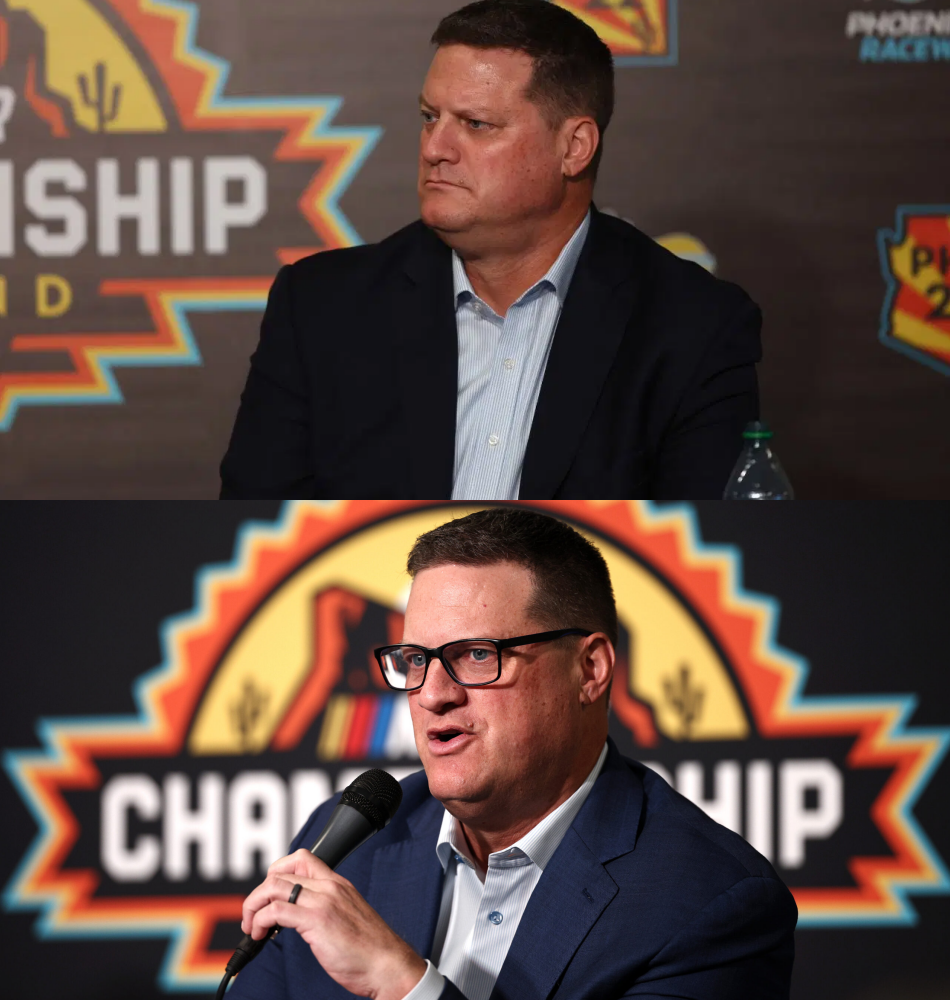
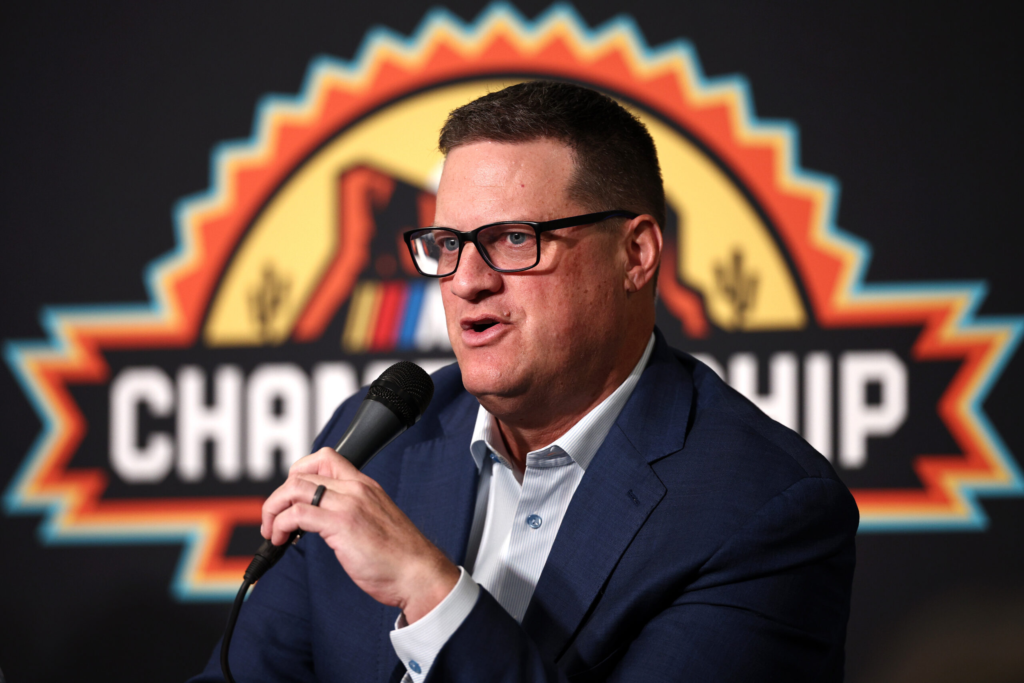
In a moment that caught the garage — and the fanbase — off guard, NASCAR President Steve Phelps delivered a simple but loaded five-word message:
“We hear you. We’re listening.”
For a sport that has spent the better part of a decade defending controversial rule changes, experimenting with formats, and navigating shifting broadcast strategies, those five words landed with unusual weight.
A Fractured Relationship
The divide between NASCAR leadership and longtime fans didn’t happen overnight. It built gradually — through playoff format overhauls, stage racing debates, short-track package criticism, and ongoing frustrations over officiating consistency.
From social media comment sections to grandstand conversations, fans have made their dissatisfaction known. Many have argued the sport drifted too far from its traditional roots. Others have accused leadership of prioritizing spectacle over authenticity.
In recent seasons, prolonged debates about the championship format and race management decisions have only intensified the tension.
And yet, instead of doubling down defensively, Phelps chose a different tone this week.
A Strategic Pivot — Or Genuine Reset?
“We hear you. We’re listening.”
Five words. No qualifiers. No caveats.
According to insiders, the statement was not off-the-cuff. It came during internal meetings and was later reinforced publicly as part of NASCAR’s broader initiative to rebuild trust with its fanbase.
Sources suggest the organization is actively reviewing competition formats, race procedures, and even broadcast presentation — with fan sentiment data playing a larger role than ever before.
For many fans, the declaration signals acknowledgment that frustration has reached a tipping point.
But skepticism remains.
“I’ve heard promises before,” one longtime fan wrote on X. “Listening is good. Acting is better.”
Why This Moment Matters
NASCAR’s core audience is deeply loyal — but also deeply protective of the sport’s identity. Unlike many leagues, NASCAR’s culture is generational. It’s passed down in families. It’s tied to regional pride and blue-collar authenticity.
When fans feel unheard, the reaction isn’t quiet disengagement. It’s vocal resistance.
Industry analysts note that recent attendance stabilization and competitive racing improvements have helped the sport regain some momentum. However, trust between leadership and its base remains fragile.
By choosing to publicly acknowledge fan concerns without deflection, NASCAR leadership appears to recognize that long-term health depends on cultural alignment — not just ratings or sponsorships.
What Comes Next?
The real test won’t be words. It will be action.
Will NASCAR adjust its playoff structure?
Will officiating transparency improve?
Will short-track racing receive meaningful technical revisions?
Will broadcast production better reflect grassroots racing culture?
Those answers will determine whether this is a symbolic olive branch or the beginning of a structural shift.
For now, the garage is watching. The fans are watching. And for the first time in a while, NASCAR leadership appears willing to look back.
Five words may not fix years of animosity. But they may open the door.
And in a sport built on speed, sometimes slowing down to listen is the boldest move of all.