
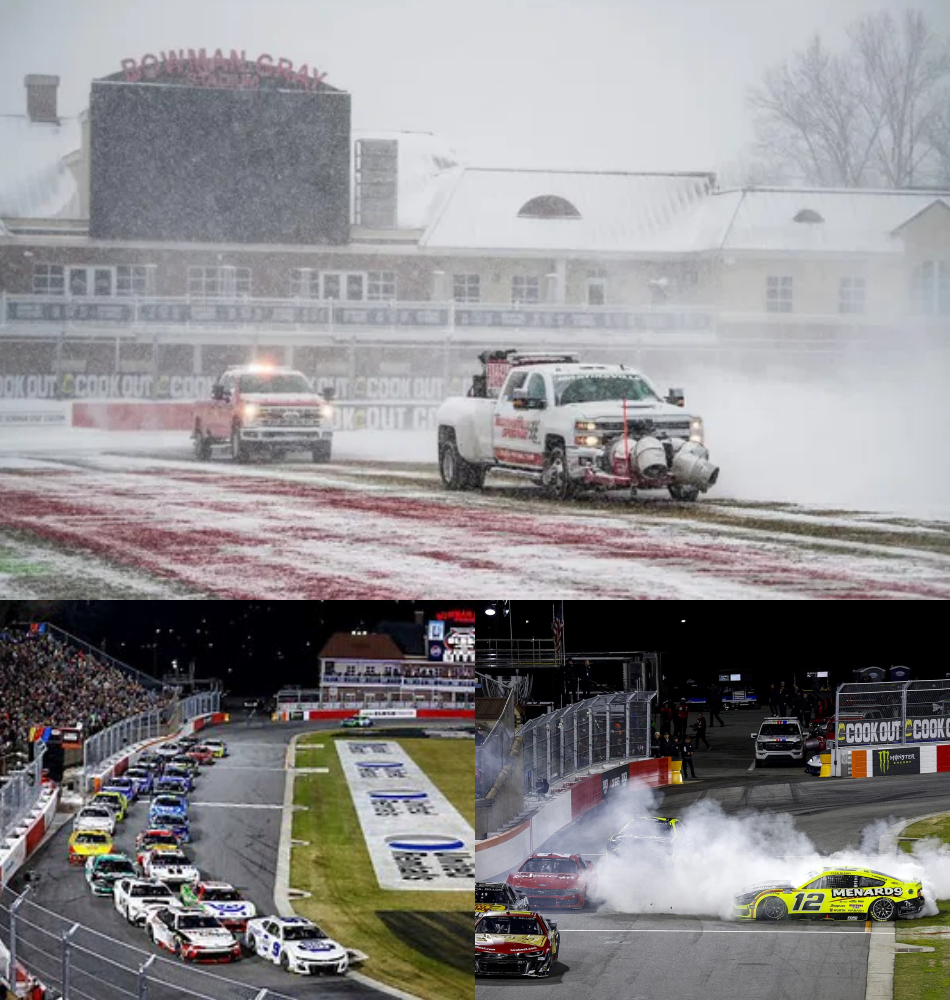
NASCAR’s “Abundance of Caution” Exposed as Historic Winter Weather Forces a Hard Clash Call
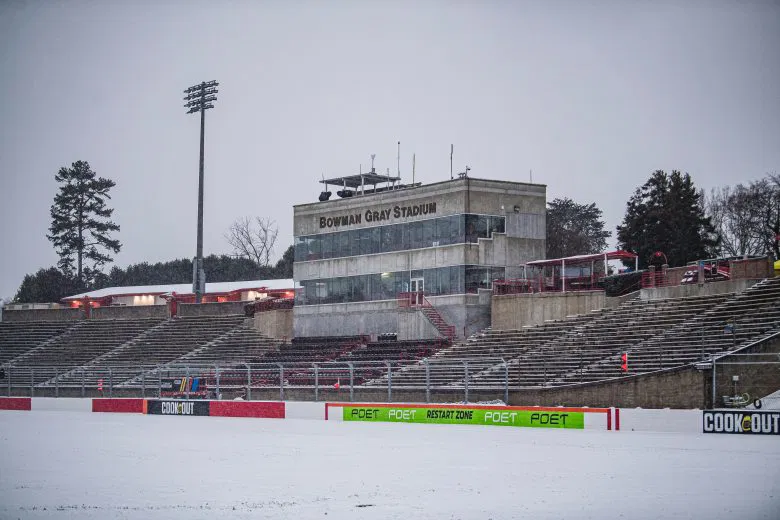
NASCAR’s “Abundance of Caution” Exposed as Historic Winter Weather Forces a Hard Clash Call
NASCAR has long prided itself on an “abundance of caution” philosophy—one that prioritizes safety, preparation, and prudence above all else. But this week, that mantra was put under a harsh spotlight as historic winter weather forced officials into a no-win decision surrounding the Clash, igniting a fierce debate among fans, teams, and insiders about whether caution finally crossed into contradiction.
When Caution Meets Reality
As severe winter conditions rolled in—bringing icy roads, dangerous travel conditions, and mounting safety concerns—NASCAR was left with an impossible choice: delay, relocate, or risk pressing forward. Ultimately, officials made the call many feared but few were surprised by, opting for a hard decision that underscored just how limited flexibility becomes when Mother Nature intervenes.
On paper, it aligned perfectly with NASCAR’s safety-first ethos. In practice, however, it exposed the tension between policy and optics.
Fans Push Back: “Too Careful or Just Smart?”
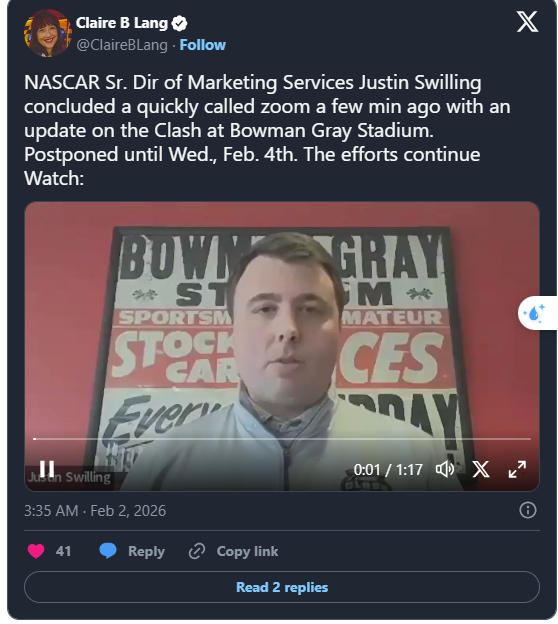
Almost immediately, backlash followed. Some fans applauded the move, pointing out that no race—exhibition or not—is worth risking lives. Others weren’t as forgiving, arguing that NASCAR’s constant emphasis on caution has begun to feel overprotective, even inconsistent.
Online reactions ranged from understanding to outright frustration:
- “Safety should always come first—but why was this not anticipated sooner?”
- “You can’t sell toughness and grit, then flinch at the first sign of adversity.”
- “This is what ‘abundance of caution’ looks like in real life.”
The divide revealed something deeper than weather—it exposed a growing identity struggle within the sport.
A Clash That Lived Up to Its Name
Ironically, the Clash lived up to its title in an unexpected way. Not through on-track fireworks, but through a philosophical collision between old-school NASCAR culture and the modern, risk-managed version of the sport.
Veteran fans remember eras when races pushed forward through rain delays, cold snaps, and logistical chaos. Today’s NASCAR operates in a vastly different environment—one shaped by legal liability, broadcast contracts, and heightened safety standards. The winter storm forced that contrast into the open.
Inside the Garage: Quiet Agreement, Public Silence
Behind the scenes, many in the garage reportedly understood the decision—even if they didn’t love it. Teams face the same travel risks as fans and officials, and drivers are well aware that one poor call can have consequences far beyond a single event.
Still, the lack of clear, early communication left room for frustration. For some, the issue wasn’t the decision itself—it was how late and abruptly it came.
What This Means for NASCAR Moving Forward
This moment may prove to be a turning point. NASCAR now faces a critical question: how to maintain its safety-first credibility without alienating fans who crave resilience, adaptability, and transparency.
The “abundance of caution” philosophy isn’t going away—but moments like this demand sharper forecasting, clearer messaging, and contingency planning that feels proactive rather than reactive.
Final Lap
Historic winter weather made the decision unavoidable. But the reaction made one thing clear: NASCAR’s relationship with its fans is evolving, and every major call—on or off the track—is now judged as much by perception as by principle.
The Clash may have been postponed, altered, or reshaped—but the debate it sparked is just getting started